Fire alarm system: components, types and how to choose
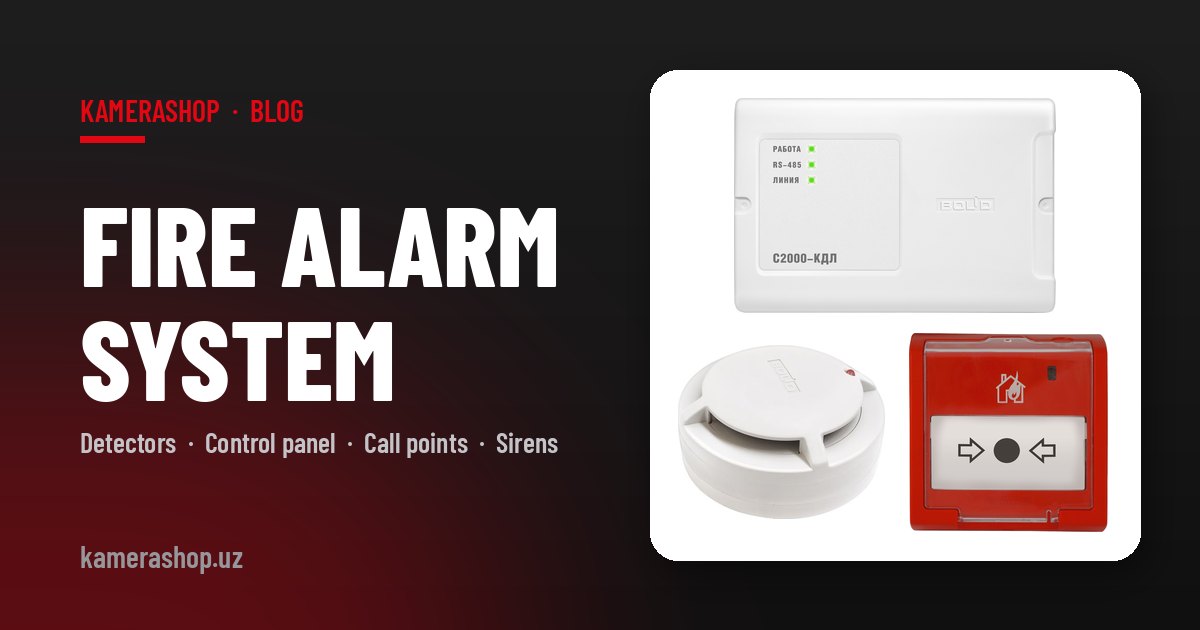
A fire alarm detects a fire in its first seconds — as soon as smoke or heat appears — and warns people. In offices, shops, warehouses and apartment buildings it is required by regulations. Here is what the system consists of and which type to choose.
System components
- Control panel — the "brain": receives detector signals, triggers sounders, keeps a log and reports alarms to a monitoring station.
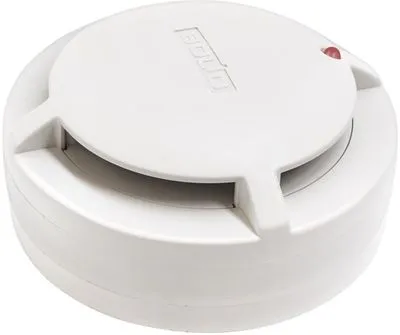
- Smoke detectors — ceiling-mounted, detect smoke optically. The most common element.
- Heat detectors — for areas where smoke is normal (kitchens, boiler rooms).
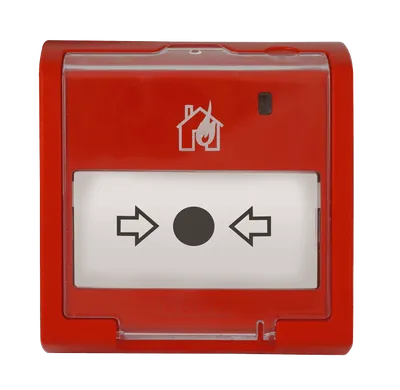
- Manual call points — buttons on escape routes, pressed by whoever sees the fire.
- Sounders and signs — sound, light and "Exit" indicators.
- Backup power supply — the system must work during a power cut, so a battery-backed supply is installed.
Conventional vs addressable
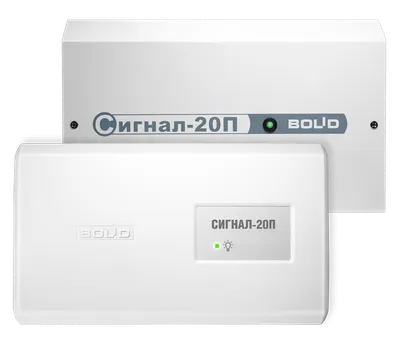
In a conventional system detectors are wired in zones (loops). On alarm, the panel shows which zone triggered, but not the exact detector. For a small site this is affordable and sufficient — for example, the Bolid Signal-20P panel with 20 zones.
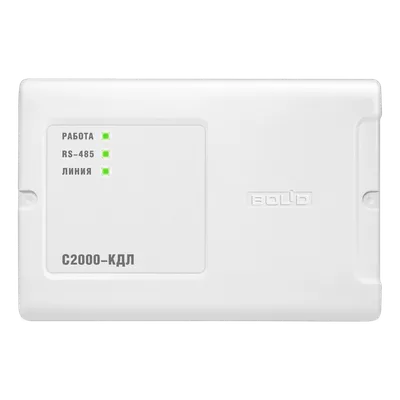
In an addressable system every detector has its own address, and the panel shows exactly which room is on fire. Many devices share one two-wire loop — less cable and easier installation in large buildings. In the Bolid system this is the С2000-КДЛ controller (up to 127 addressable devices per loop), with ДИП-34А-05 addressable smoke detectors and ИПР 513-3АМ исп.01 addressable call points. In the Rubezh system — the ППКОПУ R3-Рубеж-2ОП panel and ИП 212-64-R3 W1.02 detectors.
Which to choose
| Site | Recommendation |
|---|---|
| Small shop or office (a few rooms) | Conventional system with a zone panel |
| Multi-storey building, mall, warehouse | Addressable system |
| A Bolid intruder alarm is already installed | Extend it with a Bolid addressable controller |
Installation notes
- The number and placement of detectors is calculated in the design from floor area, ceiling height and regulations.
- Fire alarm loops use fire-resistant (FRLS) cable.
- The system is tested at least once a year, and detectors are cleaned of dust.
- Fire extinguishers are needed alongside the alarm — see the fire safety section.
All equipment is in the fire alarm section. Send us your floor plan and we will put together an equipment list.