IP camera or Turbo HD (analog): which to choose
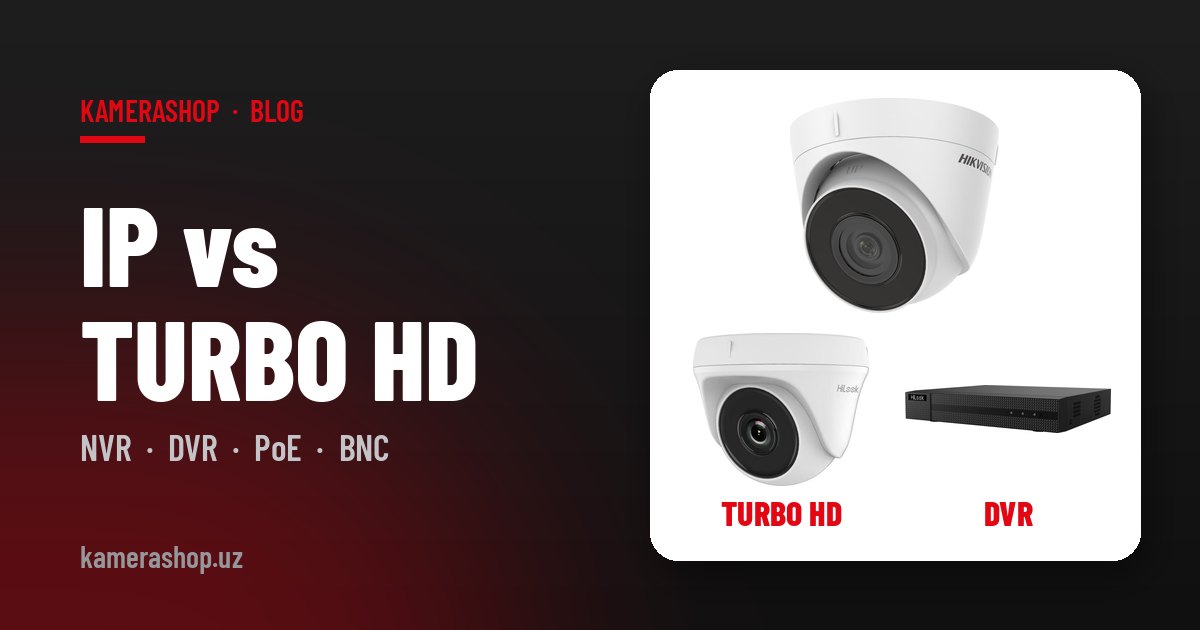
A video surveillance system is built on one of two technologies: IP (digital) and Turbo HD (HD-TVI, high-definition analog). Both are on sale today and each has its place.
How they work
| Turbo HD (analog) | IP (digital) | |
|---|---|---|
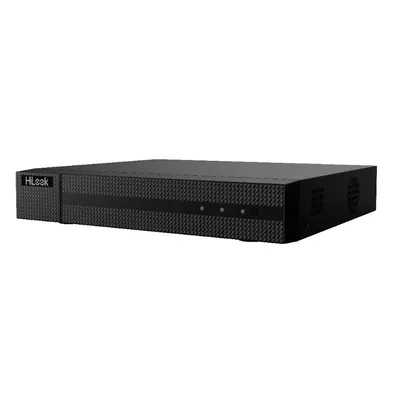
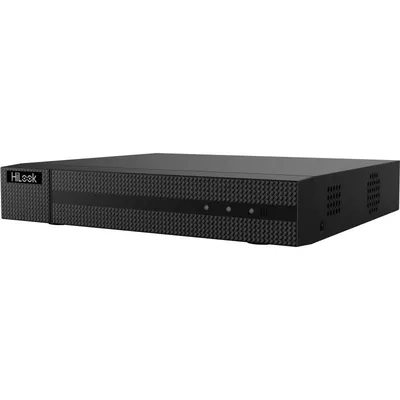
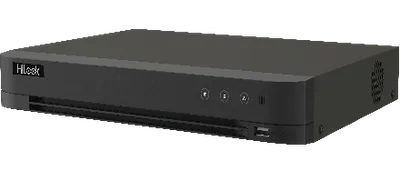
| Recorder | DVR, e.g. DVR-204U-K1 | NVR, e.g. HL-NVR-104MH-K |
| Cable | Coaxial (BNC) + separate power | Network cable (UTP), a single cable with PoE |
| Resolution | Typically 2–5 MP | 2 MP to 8 MP and beyond |
| Analytics | Mostly in the recorder | In the camera itself (human/vehicle detection, microphone, deterrence) |
| Price | Cheaper cameras and recorder | Slightly more expensive, but more capable |
When Turbo HD makes sense
- You have an old analog system. If coaxial cable is already in place, you only replace the cameras and DVR — no need to open walls.
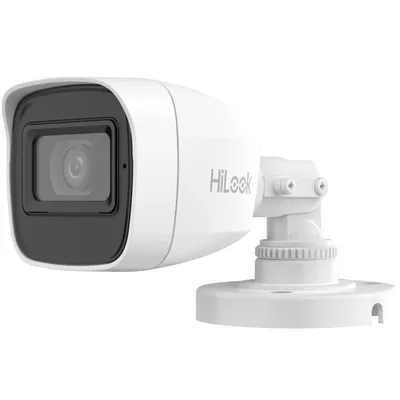
- The budget is very tight. For example, the THC-B120-P — 2 MP, IP66, IR up to 25 m and a microphone (Audio).
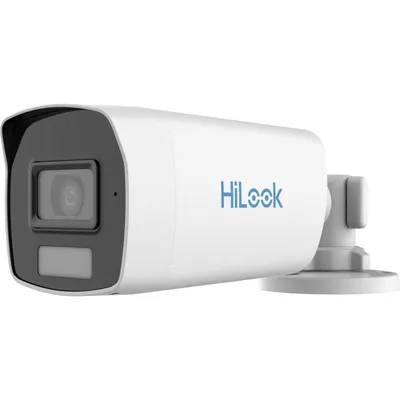
- You want colour at night on a budget. The THC-B229-LS — ColorVu and Smart Hybrid Light, up to 40 m illumination.
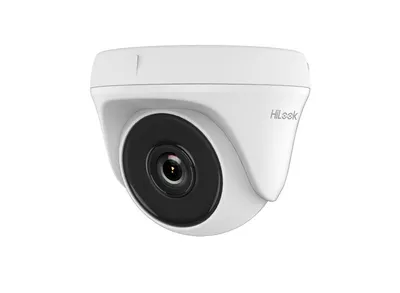
- Indoors — the THC-T150-P: 5 MP, IR up to 20 m.
Modern DVRs are hybrid: the DVR-208U-M1, for example, takes 8 analog cameras plus additional IP cameras, so a system can be moved to IP step by step.
When IP makes sense
- A new site — the cable has to be laid anyway, so build on IP from the start.
- You need high resolution — 4 and 8 MP, reading plates and faces.
- One cable — with PoE the camera gets data and power over a single UTP cable, no power supply needed.
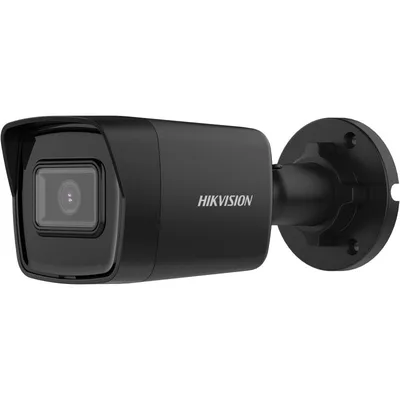
- Smart features — telling people and vehicles apart, microphone, light and sound deterrence. For example, the DS-2CD1043G2-I.
Bottom line
For a new system, choose IP: better quality and features, easy to expand. If coaxial cabling already exists or the budget is minimal, choose Turbo HD. Catalogue: IP cameras, Turbo HD cameras, DVRs.
Need help choosing a camera? We'll advise you for free.
Contact us